
Questions to Take to Your Accountant This Year If You Own a Private Company
A short list that turns a compliance meeting into a planning meeting without asking your accountant to become your estate lawyer.
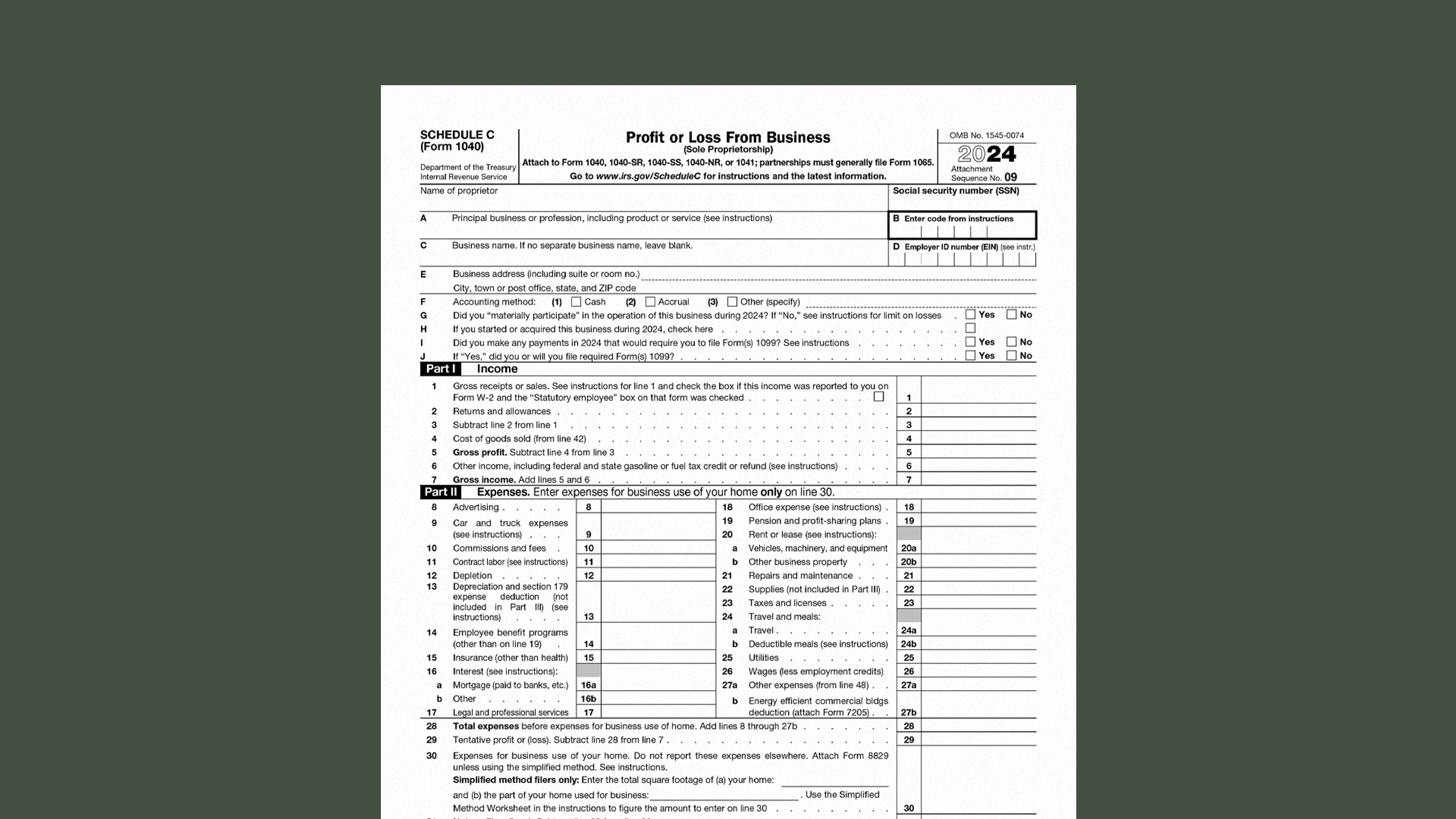
Accountants are often the people who know the company best. They are not always asked the questions that unlock succession work. Here is a practical list you can take to your next meeting.
Eligibility and assets
If I sold my shares this year, would they likely qualify for the lifetime capital gains exemption? What would have to change if the answer is no?
How much of the company’s assets are used in the active business, and how much is cash, investments, or other passive property?
Has that mix changed materially in the last 24 months?
Extraction and retirement
What is the tax-aware way to take personal cash out over the next five years?
Is there a shareholder loan that should be cleaned up?
If I stepped back from operations, what would the company’s compensation and dividend picture look like?
Records and history
Are the minute book, share register, and tax filings consistent?
Were any section 85 or other elections filed that a successor advisor needs to know about?
Is there an existing freeze, holdco, or trust that we should put on a diagram?
Deadlines
Do we have a trust, and if so, when is the 21-year date?
Are there loss carryovers, capital dividend account balances, or refundable tax accounts that should influence timing?
You are not asking your accountant to draft a trust. You are asking for the financial truth the trust, freeze, or will must sit on. That is a fair use of the relationship.
Key takeaways
Ask about current QSBC or exemption eligibility in writing.
Ask what inside the company is active and what is passive.
Ask whether shareholder loans, minute books, and tax elections match the story you tell.
Bring the answers to any later planning conversation so no one is guessing.
A next step, if this sounds familiar
Use this list at your next year-end or quarterly meeting. Then, if the answers raise structural questions, a planning conversation can start from facts rather than from assumptions.
The first conversation is a discovery meeting, not a product pitch. You should leave with a clearer picture of your current path and whether more coordinated planning would be useful.
This article is general information for educational purposes. It is not legal, tax, accounting, or insurance advice and should not be relied on as a recommendation for any particular structure, product, or transaction. Rules affecting trusts, corporations, the lifetime capital gains exemption, probate, and insurance change and depend on individual facts. Speak with qualified advisors about your own situation before making decisions.
Related services
If this article is relevant to your situation, these Financial Planning Simplified services go into more detail:
Rajesh Chowdhry
Rajesh Chowdhry is Financial and Business Consultant with 30 years of experience in Estate Planning, Corporate Restructuring, Trust Formation and applying strategies to bring tax efficiencies in the structures.
Recent Posts
The Hidden Cost of Having No Financial Plan: How Canadians Are Falling Behind
September 1, 2026
If You Already Have a Trust or Freeze, Here Is How to Know Whether It Still Fits
August 29, 2026
Tax-Efficient Strategies for Business Owners with Significant Retained Earnings
August 15, 2026
How the 21-Year Rule Affects Family Trusts — and What You Can Do About It
August 15, 2026