Blogs and Articles
Practical financial planning guidance for Canadians.
Most working Canadians still expect to fund retirement themselves. Most retirees do not. New surveys and official statistics from 2024 through 2026 show a country that is aging faster than it is planning: fewer people preparing for retirement than five years ago, thin or empty emergency funds, household debt near $1.80 for every dollar of disposable income, and rising consumer insolvencies. The result is not only a smaller nest egg. It is a lower standard of living in retirement, longer working lives, one-bill-away fragility, and money anxiety that follows people to work and to bed. Housing costs and missing workplace pensions are real constraints. The data also show that a written plan changes the odds: people with professional advice are more than twice as likely to say they can retire when they want.
Old structures fail quietly. A review is not an admission that the original work was wrong. It is how a living plan stays honest.
A short list that turns a compliance meeting into a planning meeting without asking your accountant to become your estate lawyer.
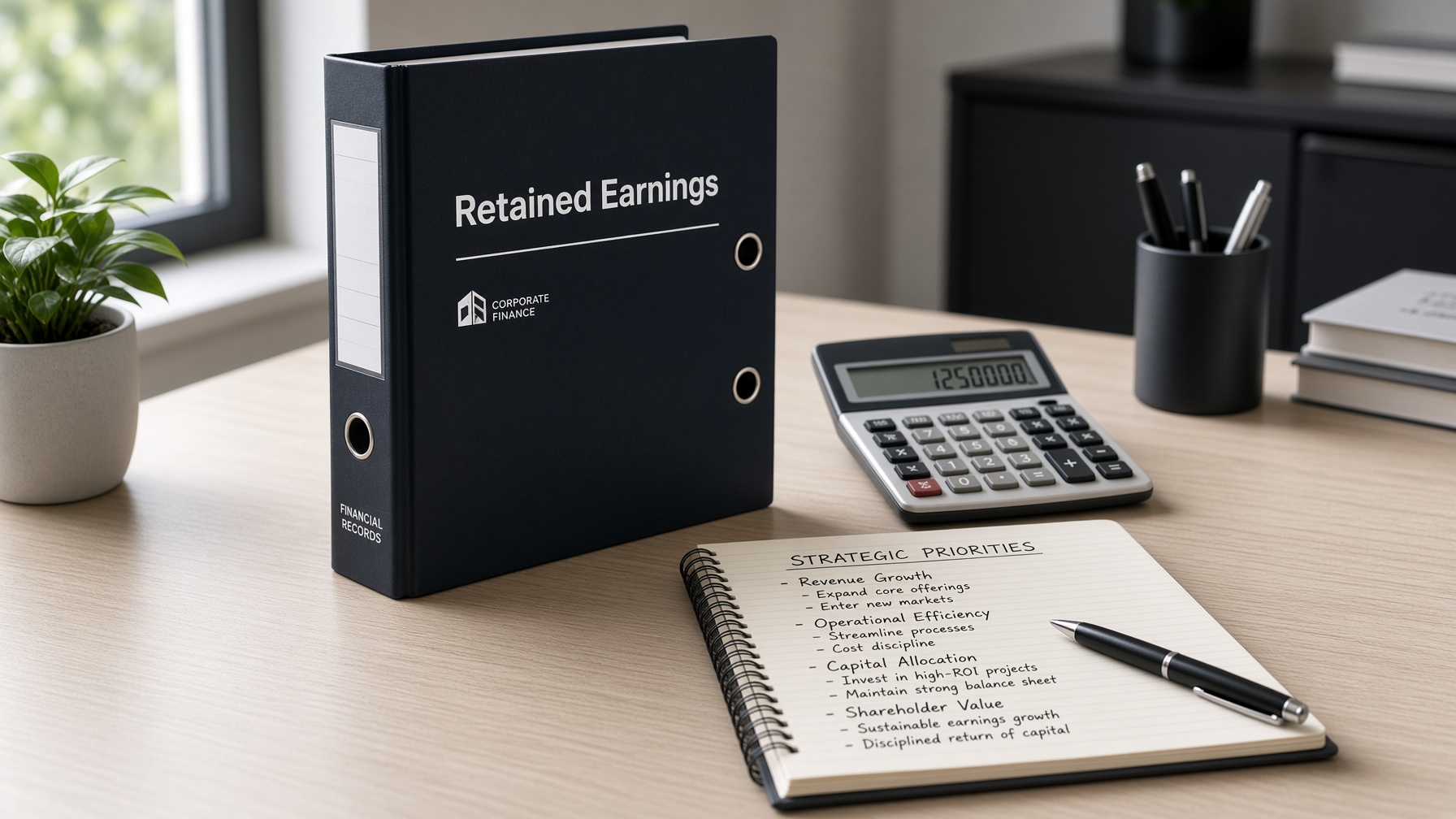
Retained earnings are a sign of business success — but they can also create a growing tax liability if left unaddressed. Business owners with large corporate surpluses have several legitimate planning opportunities to reduce tax while maintaining flexibility and control. From pure estate freezes to more advanced corporate reorganizations, the right approach depends on your long-term goals. This article outlines the key strategies worth considering and the factors that determine which one fits best.
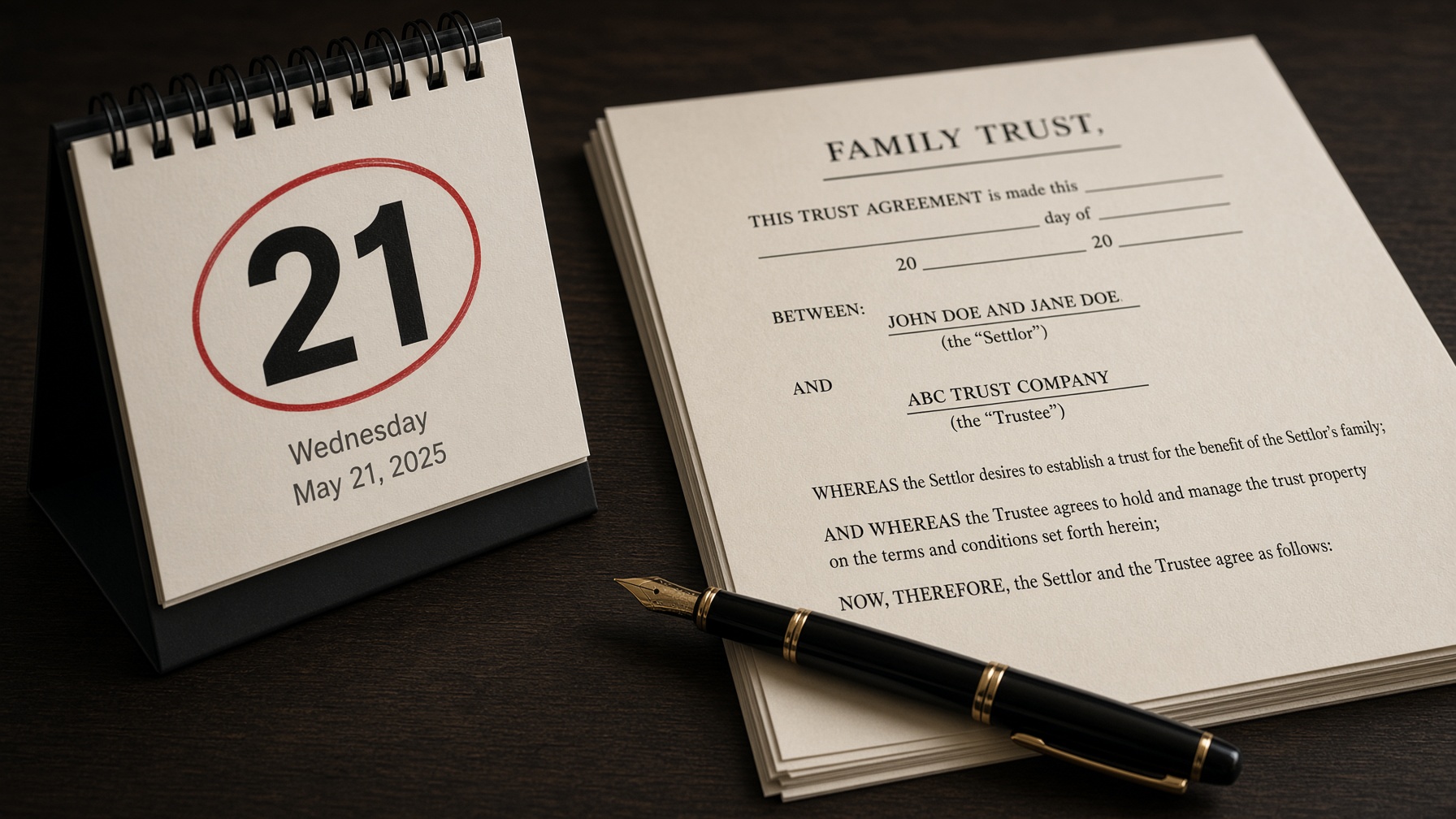
One of the most important (and often overlooked) rules affecting family trusts in Canada is the 21-year deemed disposition rule. Every 21 years, a trust is treated as if it has sold its assets at fair market value, which can trigger significant capital gains tax. The good news is that proactive planning can substantially reduce or even eliminate this impact. In this article, we explain how the rule works and the strategies available to manage it effectively.
A will remains an important part of any estate plan, but for high-net-worth families it is often not enough on its own. Family trusts offer greater flexibility, stronger asset protection, and more control over how and when wealth is distributed. Understanding the differences between these two tools is essential if your goal is to minimize tax, protect assets, and create a lasting plan for the next generation. Here’s a clear comparison to help you decide what is right for your situation.
Many business owners accumulate substantial retained earnings inside their corporations, only to face unexpected tax costs when they try to access that wealth. Corporate restructuring, when done thoughtfully, allows you to extract value more efficiently, maximize the Lifetime Capital Gains Exemption, and prepare the company for succession or sale. This article outlines practical strategies that help business owners move wealth out of the corporation while keeping more of it for themselves and their families.
For successful business owners, building wealth is only half the journey. The greater challenge is protecting that wealth and transferring it efficiently to the next generation. A properly structured family trust has become one of the most powerful tools available under Canadian tax rules. It can provide asset protection, greater control during your lifetime, and meaningful tax advantages — when designed correctly. In this article, we explore how family trusts work in practice and why they are increasingly essential for Ontario business owners with significant assets.
Headlines move faster than legislation. Owners still need decisions that work under the rules that are actually in force.
Estate administration tax is visible and measurable. Delay, publicity, and frozen decisions are often the larger costs.
The question is not only “How much do I need?” It is “How does wealth leave the company, who runs it after I step back, and what tax is paid along the way?”
Insurance belongs in a conversation after the plan has a job for it. It does not belong at the start as the plan itself.
An anonymized example from practice: the first question was not which trust to use. It was whether the company still qualified.
Prospects deserve a plain explanation of fees before they decide whether to work with us.
The first meeting is a discovery conversation. It is not a product pitch and it is not a commitment to a structure.
You do not have to share every number. You do have to share the principles while you can still explain them.
This is one of the most common succession patterns in family business. It is solvable. It is not solved by splitting voting shares three ways.
Documents do not prevent family conflict. Clear roles, fair — not merely equal — outcomes, and conversations held while you can still lead them do.
A holding company is a tool for risk, tax sequencing, and separation of assets. It is not a badge of sophistication.
The exemption is one of the most valuable tools available to Canadian business owners. It is also one of the most assumed.
An elegant structure on a messy company is still a messy plan. Cleanup is often the real first phase of succession work.
An estate freeze caps today’s value for the founder and lets future growth accrue to the next generation. Done properly, it can preserve control while changing who owns tomorrow’s increase.
Signing day is the beginning of the trust’s working life. The value is in the decisions made after the binder goes on the shelf.
Canadian personal trusts are generally treated as if they sold their capital property every 21 years. That date is a planning event, not a surprise that should arrive in year 20.
This is the most common fear we hear. In a carefully designed plan, control is often the point — not the price of admission.
A trust is a tool. Used well, it can support control, protection, and tax-efficient transfers. Used as a slogan, it creates paperwork without a plan.
We do better work when we are honest about who we help — and who we do not.
Specialists are valuable. An uncoordinated collection of good advice is still not a plan.
“Does my company still qualify for the lifetime capital gains exemption?” is a simple question. The answer is often a surprise.
A will is essential. For many business owners and families with meaningful assets, it is only the starting point.